What -$37.63 per barrel means for U.S. crude oil (Gov’t Subsidies)
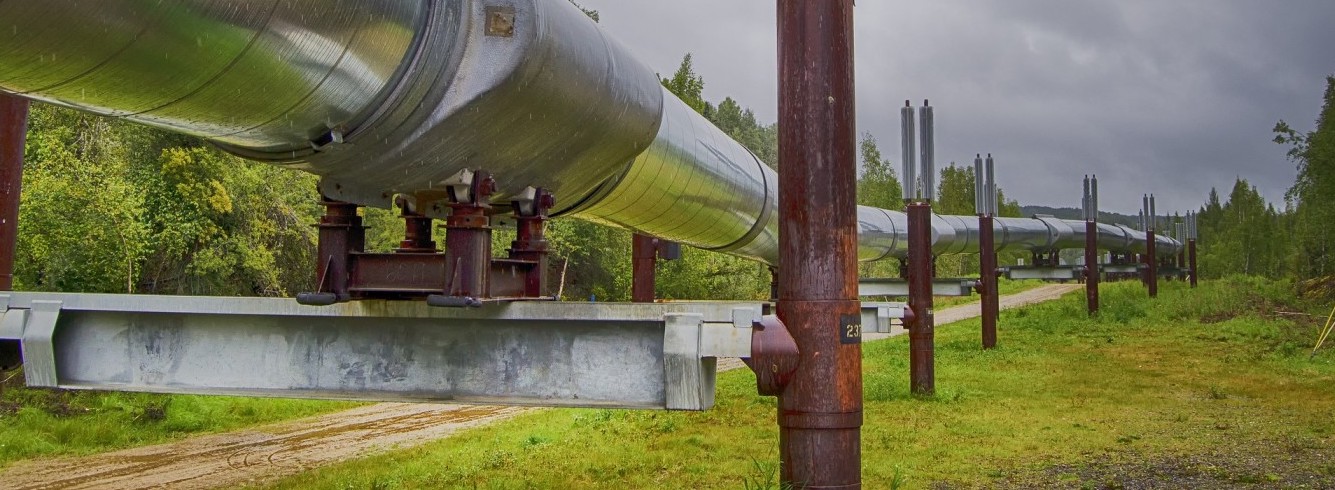
President Trump attempted to slow down the crashing crude oil market by stating he plans to purchase 75 million barrels of oil to add to the Strategic Petroleum Reserve. This was a middle step, it’s not quite giving federal money away to U.S. oil companies to keep them afloat, but the government doesn’t really have any need to add to the reserves right now, either. Imagine you’re a kid with a lemonade stand and no one is buying your lemonade, then your dad comes out and buys half a gallon and puts it in the fridge.

Living On One Dollar

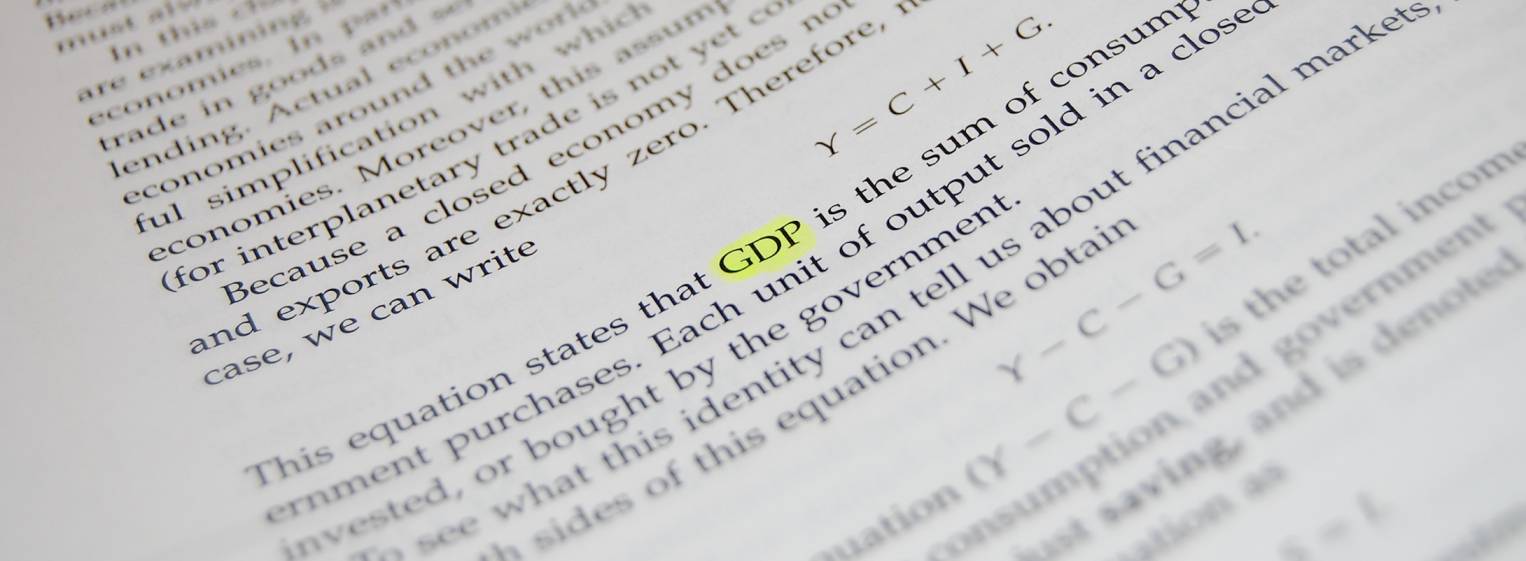
Over 70% of our GDP is consumer spending, and it doesn’t account for human value or quality of life in the slightest. For example, let’s say a husband gets a promotion at work which allows the wife to stay at home with their children. That would be interpreted as a negative thing by GDP metrics! They are no longer spending money on childcare, and so on and so forth. Along the same lines, having your kids do chores around the house instead of hiring outside help decreases GDP.

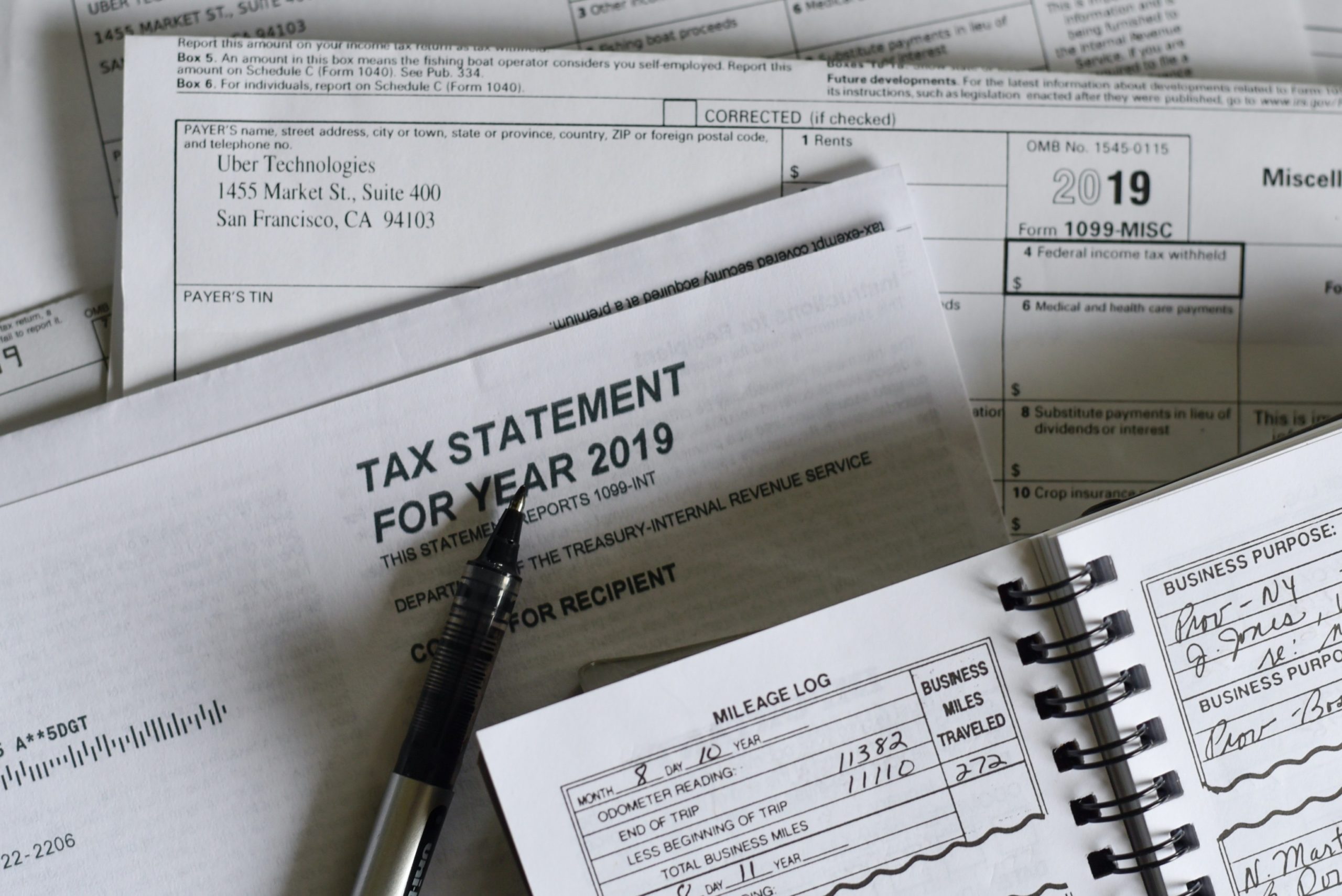
How taxes work (Fiscal Policy)

I roll my eyes when I see viral tweets along the lines of “school should have taught us what credit scores are and how to do taxes and balance budgets instead of x/y/z”. Where do I even begin to tell you how dumb that take is (and this is coming from a teacher who goes out of my way to teach those exact things, for the record). 

Public goods and coercion

Everyone could agree lighthouses are good, because they not only save lives, but also help shipping and trade, which creates wealth in the community, But no one wants to pay for the lighthouse! Despite the potential benefit to ships specifically and the community generally, no individual person or company had incentive to finance the venture.

Why is the price of gas so low? (Cartels)

Because world oil production is regulated through a cartel! When you hear “cartel”, you probably think of drug cartels, but it’s just another word for “oligopoly”: a group of producers who work with each other to manipulate prices for their product. Individually, they realize they only hurt their profits to compete with each other by lowering prices, so they team up against consumers and agree to maintain prices at a certain level. This sort of collusion is illegal for companies to do in the U.S., but that’s the system we’re stuck with for international oil supply.

Does the government just print money?

In the normal scheme of things, we don’t really question where money comes from or how the system works. We only pay attention if it stops working, or, perhaps, when we see our government follow up the biggest spending bill in history by casually mentioning it may add a few hundred billion a few weeks later. The American Recovery and Reinvestment Act of 2008 under President Obama was initially billed at under $800,000,000,000 (800B), as a reminder, and here we find ourselves talking about The CARES Act as “2 Trillion” just because it’s easier to say than “2 point 3 Trillion”! Two syllables, three hundred billion dollars.

COVID-19 mortality rate and GDP

The first quarter of 2020 ended on the last day of March, but we won’t have the first Q1 estimate by the BEA until April 29, which they call an “advance estimate” (which means it could be way off). Oh, and for the record, the most common definition of a “recession” is negative GDP growth for two consecutive quarters. So, if you do the math, we can’t even *know* if we’re in a recession until six months or more after it started! This lag is an argument against the usefulness of these sorts of macroeconomics numbers, the equivalent of Karen Smith’s weather report in Mean Girls: “It’s 68 degrees, and there’s a 30% chance that it’s already raining.”

Start paying attention (budget deficits)

In other words, if things went according to plan, the United States national debt would have increased by over a trillion dollars in 2020! Now, things are not going according to plan on both sides: we’re now spending an additional $2 Trillion and government revenues are primarily based on taxing income and payroll, both of which are going to decrease this year.